For Families
Elderly Hygiene: The Underrated Hazard of Trash Can Lids
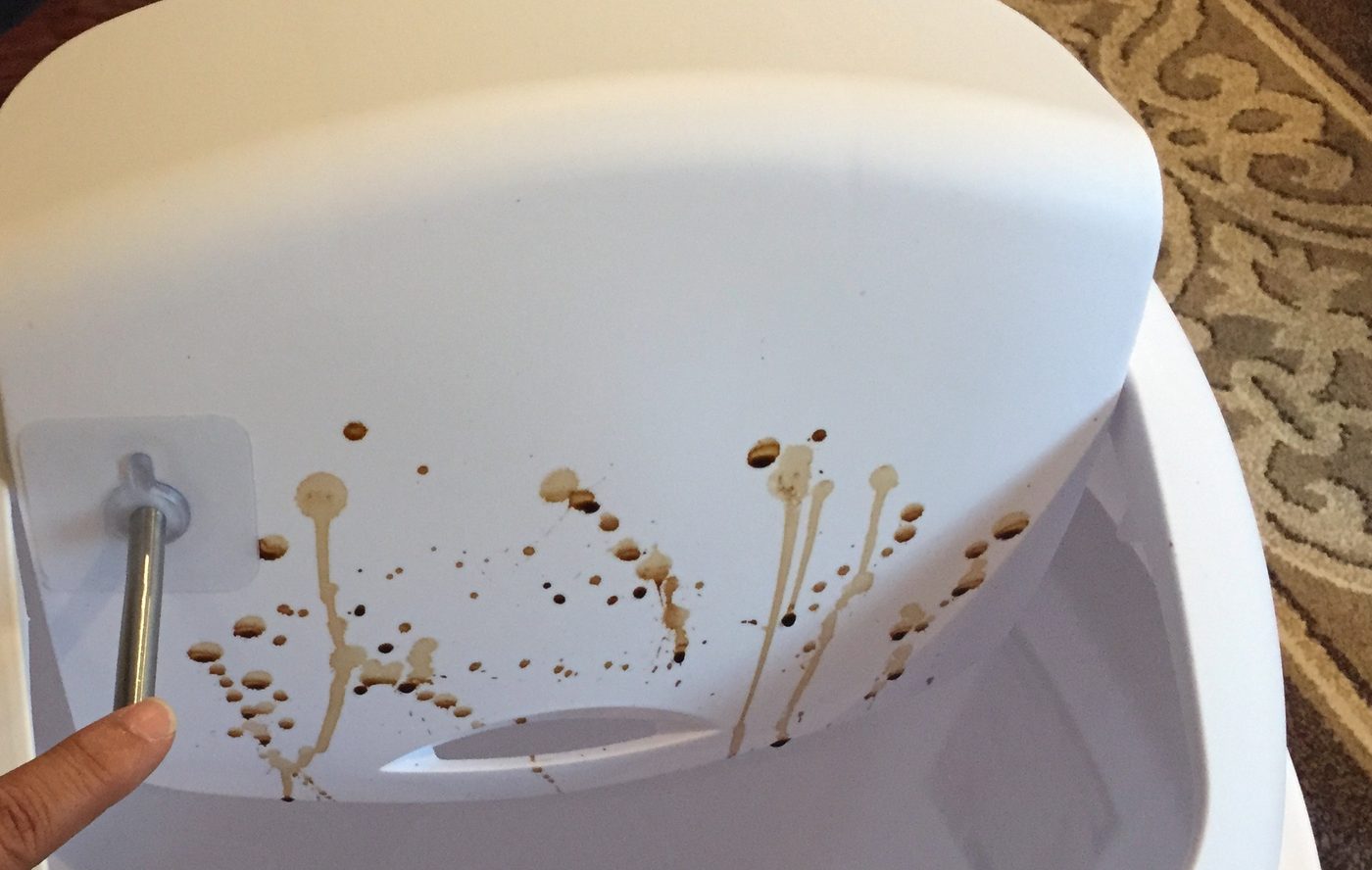
Hand hygiene matters more for elderly adults than for the general population — for two reasons that compound each other. First, elderly adults are more vulnerable to bacterial infections (foodborne illness, urinary tract infections, respiratory infections) because of slower immune response and more chronic conditions. Second, the day-to-day physical effort of consistent hygiene is harder for elderly adults — getting up to wash hands more often is genuinely tiring.
The trash can lid sits at the intersection of these two factors. It's a high-contamination surface that requires a small but real physical effort to address (walk to sink, wash hands properly, walk back). For an aging adult who's already managing 14 things, this is the friction that makes them skip the wash.
The compounding hazard
Elderly hygiene is not just about pathogens reaching surfaces. It's about pathogens reaching mouths and respiratory systems with reduced ability to fight them off. The bacteria that cause mild discomfort in a 30-year-old can cause hospitalization in an 80-year-old. The CDC consistently identifies adults 65 and older as one of the four highest-risk groups for foodborne illness. Trash-lid-mediated transfer is a real contributor to that risk.
Compounding this, many elderly adults live in environments where sponges and dishcloths get reused longer (because of cost, habit, or reduced ability to do laundry frequently), which already amplifies bacterial cross-contamination across the kitchen. The trash lid is one more contamination input feeding into a system that has fewer washouts.
The physical effort layer
For elderly adults with arthritis, mobility issues, or just normal age-related stiffness, the act of opening a trash can lid by lifting it directly is genuinely difficult. Many elderly adults compensate by leaving the lid open (which solves the touching problem but creates an odor and pest problem) or by using a different hand position that scrapes against the lid edge (which makes contamination worse, not better).
SafeHandle solves both layers simultaneously. The yellow handle is positioned for easy push contact — no grip strength required, no fine motor control. A casual push with the back of a knuckle or a closed fist is enough. The lid swings open without resistance. The hand doesn't touch the lid surface, so contamination isn't transferred. Both the physical-effort issue and the hygiene issue are addressed by the same intervention.
What family caregivers should know
If you're managing the home of an aging parent or family member, the trash can is one of the higher-leverage hygiene fixes you can make in a single visit. It costs less than $20, takes 60 seconds to install, and benefits accumulate every day for years afterward. Compare to many of the larger interventions (replacing flooring, installing grab bars, etc.) which are more expensive and more disruptive for marginal additional safety.
The other often-overlooked benefit: if the elderly adult is independent enough to live alone but checking in periodically, SafeHandle reduces the visible disorder around their kitchen trash can. The "trash on the floor around the can" problem largely disappears when the lid is easy to open. This makes the kitchen feel more cared-for and reduces the slip-and-fall risk from spilled food on the floor — another non-trivial elderly safety concern.
The dignity factor
One thing that elderly hygiene research consistently surfaces is that age-appropriate hygiene products often feel infantilizing. Anything labeled "for seniors" or "for limited mobility" carries baggage. SafeHandle benefits from being a general consumer product that happens to work especially well for this demographic — there's no specific senior branding, no walker-style stigma. It's just a small handle on the trash can. The dignity preservation matters for adoption.
Ready to stop touching your trash can lid?
Preorder SafeHandle — From $16.95Read next: SafeHandle Installation Guide: 60 Seconds, No Tools · Why People 'Pretend Touch' Trash Cans (And Cause More Mess) · More about our product